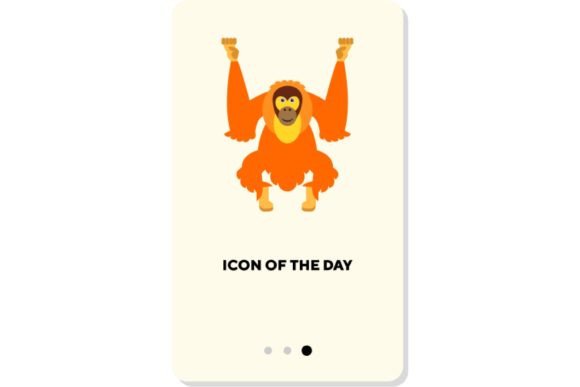
African Animals Flat Icon: Chimpanzee Is a Symbol of Wildlife and Safari Design
In the expansive world of digital design, the demand for clear, recognizable, and aesthetically pleasing visual elements has never been higher. Among the myriad categories of graphic assets, wildlife illustrations hold a special place, particularly those that capture the essence of nature’s most iconic inhabitants. The African animals flat icon series has emerged as a vital resource for designers seeking to convey themes of safari, conservation, and natural history without the visual clutter of photorealism. Within this collection, the chimpanzee stands out not merely as a biological subject but as a powerful design element. When we state that the chimpanzee is a central figure in these vector illustrations, we are acknowledging its role as a bridge between complex biological reality and simplified digital communication.
The concept of the flat design aesthetic relies on minimalism. It strips away three-dimensional effects, shadows, and gradients to focus on shape, color, and immediate recognition. Applying this style to African wildlife requires a delicate balance. The illustrator must distill the unique physical characteristics of an animal into simple geometric forms while retaining enough detail to ensure the subject is unmistakable. The chimpanzee, with its expressive face, distinct posture, and cultural significance, presents both a challenge and an opportunity in this regard. An isolated sign or symbol of a chimpanzee serves multiple functions across various industries, from educational platforms to travel agencies promoting eco-tourism.
The Role of Vector Illustrations in Modern Web Design
Vector illustration symbol elements for web design have become the backbone of modern user interfaces. Unlike raster images, which can pixelate when scaled, vectors remain crisp at any size. This scalability is crucial for responsive web design, where icons must look sharp on everything from a smartwatch screen to a large desktop monitor. The African animals flat icon set leverages this technology to provide versatile assets that maintain their integrity across devices. For developers and designers, this means faster load times and easier implementation, contributing directly to better user experience and SEO performance.
When integrating wildlife themes into a website, the choice of imagery dictates the tone. Photographic images can be heavy and emotionally complex, often carrying specific contextual baggage. In contrast, a flat icon is neutral yet engaging. It invites interaction without overwhelming the user. The chimpanzee isolated sign, for instance, can be used as a button, a category marker, or a decorative element in a navigation bar. Its simplicity allows it to blend seamlessly with various color schemes and layout structures, making it a preferred choice for creators who value flexibility and consistency in their design systems.
Chimpanzee Is More Than Just an Animal; It Is a Design Archetype
To understand why the chimpanzee is such a popular subject in iconography, one must look beyond its biological classification. In the context of safari and wildlife concepts, the chimpanzee represents intelligence, curiosity, and social connection. These abstract qualities are highly valuable in branding and communication. A zoo concept website might use the chimpanzee icon to denote interactive exhibits or educational programs focused on primate behavior. Similarly, a nature conservation NGO might employ the symbol to highlight campaigns related to habitat protection in Central and West Africa.
The visual language of the flat icon simplifies these associations. By reducing the chimpanzee to its essential features—such as the prominent brow, the rounded ears, and the characteristic sitting or hanging posture—the designer creates a universal symbol. This symbol transcends language barriers, making it an effective tool for global audiences. Whether viewed by a student in Tokyo, a tourist in London, or a researcher in Nairobi, the chimpanzee is instantly recognized. This universality is a key advantage of using standardized vector illustration symbol elements for web design.
Applications Across Industries and Platforms
The utility of the African animals flat icon extends far beyond traditional zoo or wildlife websites. Its applications are diverse, reflecting the broad appeal of nature-themed aesthetics in contemporary digital media. Consider the following sectors where these icons play a pivotal role:
- Educational Technology: E-learning platforms focused on biology or geography use these icons to create engaging, child-friendly interfaces. The chimpanzee icon can serve as a mascot or a progress indicator in modules about primates.
- Travel and Tourism: Safari tour operators utilize flat icons to categorize destinations or highlight specific wildlife viewing opportunities. A clean, isolated sign of a chimpanzee helps users quickly identify trekking packages in Uganda or Rwanda.
- Mobile Applications: Fitness and wellness apps sometimes use animal motifs to represent different levels of activity or achievement. The agility and energy associated with chimpanzees make them suitable for dynamic, high-energy categories.
- Environmental Advocacy: Non-profits rely on clear, impactful visuals to communicate urgent messages. Flat icons are easily reproducible in print and digital campaigns, ensuring consistent branding across posters, social media posts, and merchandise.
Each of these use cases benefits from the scalability and clarity of vector graphics. The ability to recolor the icon to match brand guidelines without losing quality is a significant practical advantage. For business owners and marketers, this means cost-effective asset management. Instead of commissioning new illustrations for every campaign, they can adapt existing African animals flat icon sets to fit evolving needs.
Design Considerations for Effective Iconography
Creating or selecting the right chimpanzee icon involves more than just picking a pretty picture. Designers must consider visibility, contrast, and context. An isolated sign should have sufficient negative space around it to prevent visual crowding when placed alongside other elements. The lines and shapes should be bold enough to remain distinguishable at small sizes, such as in a favicon or a mobile menu.
Color psychology also plays a role. While flat design often employs vibrant, saturated colors, wildlife icons may benefit from earth tones to evoke a sense of nature. Browns, greens, and muted oranges can reinforce the safari theme without sacrificing the modern appeal of the flat style. However, maintaining consistency within a set is crucial. If the chimpanzee is rendered in a specific palette, other animals in the African animals flat icon collection should follow the same logic to ensure visual harmony.
Furthermore, the posture of the chimpanzee matters. A sitting pose might convey calmness and observation, suitable for educational content. A hanging or swinging pose suggests action and playfulness, ideal for gaming or interactive apps. Understanding these nuances allows creators to choose the right variation for their specific project goals. The chimpanzee is not a static symbol; its meaning shifts subtly with its presentation.
The Technical Advantage of Vector Formats
For web developers, the technical specifications of the asset are as important as its aesthetic appeal. Vector illustration symbol elements are typically delivered in formats like SVG (Scalable Vector Graphics). SVGs are XML-based, meaning they can be manipulated with CSS and JavaScript. This opens up possibilities for animation and interactivity. A chimpanzee icon could subtly move or change color when a user hovers over it, adding a layer of engagement to the user interface.
Moreover, SVGs are inherently accessible. They can include title and description tags that screen readers can interpret, improving the website’s accessibility for users with visual impairments. This aligns with best practices for inclusive design and contributes to better SEO rankings, as search engines favor accessible, well-structured content. By choosing high-quality vector assets, designers are not just making a stylistic choice but a functional one that supports broader web standards.
In conclusion, the integration of the African animals flat icon into digital projects offers a blend of aesthetic charm and practical utility. The chimpanzee, as a representative of this category, embodies the intelligence and adaptability required in modern design. Whether used for a zoo concept, a wildlife documentary portal, or an educational app, these vector illustrations provide a clean, scalable, and universally understood visual language. As the digital landscape continues to evolve, the demand for such precise, meaningful, and versatile design elements will only grow, cementing the place of flat wildlife icons in the toolkit of professional creators worldwide.