Air Transport Flat Vector Icon: Zeppelin Design and Applications
In the rapidly evolving landscape of digital design, visual communication plays a pivotal role in how users interact with interfaces. Among the myriad of symbols available to designers, the Air Transport Flat Vector Icon: Zeppelin stands out as a unique blend of historical nostalgia and modern utility. This specific graphic element is not merely a decorative asset; it serves as a functional tool for conveying concepts related to aviation, travel, logistics, and retro-futurism. Understanding how to effectively integrate this isolated outline sign into web design and mobile applications can significantly enhance user experience while maintaining aesthetic coherence.
Understanding the Zeppelin Icon in Modern Design
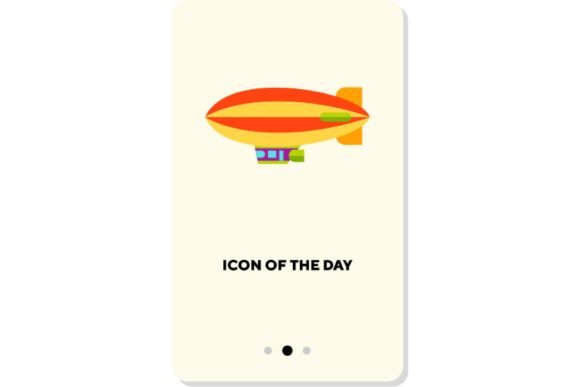
The zeppelin, or rigid airship, represents a distinct era of aviation history. When translated into a flat vector icon, it becomes a versatile symbol that transcends its historical roots. Unlike generic airplane icons, which are ubiquitous and often overlooked, a zeppelin icon captures attention through its distinctive elongated shape and classic silhouette. This makes it an excellent choice for brands or projects seeking to differentiate themselves within the crowded transportation sector.
A vector illustration ensures that the image remains crisp and clear at any size, from a tiny favicon to a large hero banner. The "flat" design style, characterized by minimalism and the absence of three-dimensional effects like shadows or gradients, aligns perfectly with contemporary UI/UX trends. This simplicity allows the Air Transport Flat Vector Icon: Zeppelin to load quickly and render consistently across various devices and screen resolutions, addressing a critical need for performance-optimized web assets.
Challenges in Selecting Transportation Icons
Designers and developers often face several challenges when selecting icons for air transportation concepts. One primary issue is ambiguity. Standard airplane icons can represent anything from commercial flights to military jets, lacking specificity. Another challenge is visual clutter. In complex dashboards or navigation menus, overly detailed illustrations can distract users rather than guide them. Furthermore, finding icons that match a specific brand identity—especially those aiming for a vintage, steampunk, or luxury aesthetic—can be difficult when relying on standard icon libraries.
The need for scalability is another significant hurdle. Raster images pixelate when resized, leading to a unprofessional appearance. This is where the Zeppelin isolated outline sign offers a superior solution. As a vector file, it can be manipulated without loss of quality, allowing designers to adjust stroke weights, colors, and dimensions to fit seamlessly into any layout. This flexibility addresses the common pain point of maintaining visual consistency across different platforms and device types.
Practical Applications and Use Cases
The versatility of the Air Transport Flat Vector Icon: Zeppelin allows it to be applied in various contexts beyond simple transportation labels. Here are several practical scenarios where this icon adds value:
- Travel and Tourism Platforms: For websites offering unique travel experiences, such as hot air balloon rides or historical aviation tours, the zeppelin icon serves as an intuitive category marker. It distinguishes these niche offerings from standard commercial flights.
- Logistics and Freight Services: While less common today, airships are sometimes associated with heavy cargo transport in conceptual or futuristic logistics models. Using this icon can symbolize specialized, high-value, or oversized freight solutions.
- Educational Content: In e-learning modules about the history of aviation, the zeppelin icon can act as a navigational aid, helping students quickly identify sections related to early 20th-century flight technology.
- Gaming and Entertainment Apps: Games with steampunk or alternate-history themes can utilize the Zeppelin isolated outline sign for menu buttons, achievement badges, or map markers, enhancing the immersive atmosphere.
- Brand Identity: Companies aiming to project an image of elegance, slow travel, or eco-friendly innovation (given the lower carbon footprint potential of modern airship concepts) can incorporate this icon into their logo systems or marketing materials.
Implementation Strategies for Designers
To maximize the effectiveness of the Air Transport Flat Vector Icon: Zeppelin, designers should consider several implementation strategies. First, consistency is key. If you choose a flat design style for this icon, ensure that all other icons in your set share similar stroke widths, corner radii, and visual weight. This creates a harmonious visual language that reduces cognitive load for users.
Color usage is another critical factor. While black or dark gray is standard for neutral interfaces, using brand-specific colors can reinforce identity. For instance, a navy blue or metallic silver might evoke a sense of premium quality and historical accuracy. However, avoid overly complex color schemes that detract from the icon's recognizability. The goal is immediate recognition, so simplicity should always prevail.
Accessibility must also be prioritized. When using the Zeppelin isolated outline sign in interactive elements, ensure that it is accompanied by appropriate alt text or ARIA labels. This ensures that screen readers can convey the meaning of the icon to users with visual impairments. Additionally, maintain sufficient contrast between the icon and its background to meet WCAG guidelines.
Tailoring the Approach for Different Users
Different stakeholders will approach the integration of this icon with varying priorities. For web developers, the focus is on technical efficiency. They benefit from the SVG format of the vector illustration, which allows for easy embedding via inline code or external files, reducing HTTP requests and improving page load speeds. Developers can also animate the icon using CSS or JavaScript, adding subtle movements like hovering or floating to enhance interactivity.
Graphic designers, on the other hand, prioritize aesthetic alignment. They may modify the Air Transport Flat Vector Icon: Zeppelin to match specific campaign themes, adjusting proportions or adding minimal decorative elements while retaining the core flat style. Their goal is to ensure the icon complements the overall visual narrative of the project.
Marketing professionals view the icon as a branding tool. They might use it in social media graphics, email newsletters, or print materials to create a cohesive brand story. For them, the unique nature of the zeppelin helps in creating memorable visual associations that stand out in a sea of generic airplane imagery.
Recommendations for Optimal Results
To ensure successful implementation, consider the following recommendations:
- Choose High-Quality Sources: Obtain your Vector illustration symbol elements from reputable stock libraries or professional designers. Ensure the files are clean, with no unnecessary anchor points or overlapping paths, which can cause rendering issues.
- Test Across Devices: Verify that the icon remains legible on small mobile screens. If details become lost at smaller sizes, consider simplifying the outline further or increasing the stroke width.
- Maintain Contextual Relevance: Use the zeppelin icon only when it accurately represents the content. Misusing it for general air travel can confuse users. Reserve it for contexts where its unique characteristics add meaningful distinction.
- Iterate Based on Feedback: Conduct user testing to determine if the icon is easily understood by your target audience. If users struggle to interpret its meaning, consider adding a text label alongside the icon for clarity.
In conclusion, the Air Transport Flat Vector Icon: Zeppelin is more than just a graphical element; it is a strategic design asset that can enhance clarity, brand identity, and user engagement. By understanding its unique properties and applying best practices in implementation, designers and developers can leverage this symbol to create more effective and visually appealing digital experiences. Whether used in web design, mobile apps, or marketing materials, this icon offers a sophisticated alternative to conventional aviation symbols, providing a fresh perspective on air transportation concepts.