Cowboy & Ranger Hat Flat Icons
In the vast landscape of digital design, specific symbols carry immediate cultural weight. The Cowboy and Ranger Hat Flat Icon is one such element. It is more than a simple graphic; it is a visual shorthand for adventure, authority, heritage, and the rugged outdoors. Whether you are designing a mobile app interface, building a brand identity for a western-themed restaurant, or creating educational materials about history, this vector illustration serves as a versatile tool. Understanding how to leverage this asset effectively requires looking beyond its aesthetic appeal and examining its functional role in user experience and communication.
Defining the Asset: More Than Just a Silhouette
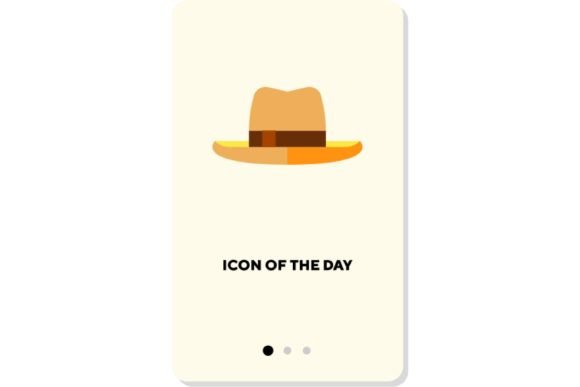
At its core, the Cowboy and ranger hat flat icon. Cap, protection, man isolated vector represents a specific category of headwear. Unlike photographic images, which can be cluttered with background noise and lighting inconsistencies, flat icons strip away the unnecessary details. They focus on the essential shape: the wide brim, the high crown, and the distinct silhouette that everyone recognizes. This "flat" design style is crucial for modern web design because it loads quickly, scales infinitely without losing quality, and remains legible even at small sizes on mobile screens.
The term "Cap, Pr" often refers to the protective and professional aspects of the imagery. In vector formats, these elements are typically organized into layers or groups, allowing designers to modify colors, adjust proportions, or isolate specific parts of the hat. This flexibility is what transforms a static image into a dynamic design component. For a designer, this means the difference between a rigid asset and a customizable tool that can adapt to various brand guidelines.
Why Different Audiences Value This Icon
The utility of the Cowboy and Ranger Hat Flat Icon varies significantly depending on who is using it. A graphic designer might prioritize aesthetic consistency, while a marketing manager might focus on brand recognition. Let’s explore how different groups evaluate and utilize this vector symbol.
For Web Designers and UI/UX Professionals
For those building websites and applications, speed and clarity are paramount. A flat icon fits seamlessly into modern minimalist interfaces. When used as a button or a navigation marker, the cowboy hat icon can instantly signal categories related to travel, outdoor gear, or regional services. The priority here is usability. Does the icon communicate its meaning instantly? Is it distinct from other icons in the set? Vector illustrations ensure that the icon looks crisp on high-resolution retina displays, maintaining professional quality across all devices.
For Marketers and Brand Strategists
Marketers look for semantic resonance. The cowboy hat evokes feelings of independence, reliability, and tradition. If a company wants to project an image of sturdy, no-nonsense service—perhaps in logistics, construction, or agriculture—this icon becomes a powerful branding element. It is not just about decoration; it is about aligning visual cues with brand values. The "protection" aspect mentioned in the asset description can be subtly leveraged to suggest safety and security, appealing to consumers looking for trustworthy providers.
For Educators and Content Creators
Educators creating digital courses or presentations about American history, geography, or literature benefit from clear, distraction-free visuals. A flat icon allows students to focus on the concept rather than getting lost in artistic details. For bloggers and hobbyists writing about western culture or horseback riding, using a consistent icon set helps structure content visually. It breaks up text, adds visual interest, and improves readability. The ease of integrating these SVGs into blog platforms makes them a practical choice for non-designers who still want a polished look.
Practical Applications and Use Cases
Understanding the theory is helpful, but seeing the application brings the value home. Here are several scenarios where the Cowboy and ranger hat flat icon adds tangible value to a project.
- E-Commerce Categorization: An online store selling outdoor apparel can use this icon to denote the "Western Wear" or "Hats" category. It provides a quick visual cue that helps users navigate the site efficiently.
- Event Promotion: For rodeos, country music festivals, or western-themed parties, this icon can be used in digital invitations, social media posts, and ticketing platforms. It sets the tone immediately.
- Gaming Interfaces: In video games with western settings, flat icons are often used for inventory items or character class selection. A ranger hat icon might indicate a scout or tracker class, providing immediate context to the player.
- Map Legends: Travel apps focusing on national parks or historical trails can use the icon to mark visitor centers, ranger stations, or points of historical interest related to the frontier era.
Evaluating Quality and Flexibility
When selecting a vector illustration for your project, several factors determine its long-term usefulness. Not all icons are created equal. Here is what you should look for when evaluating a Cowboy and Ranger Hat Flat Icon.
Scalability: Ensure the file is a true vector (SVG, AI, or EPS). This guarantees that you can resize the icon from a tiny favicon to a large billboard print without any pixelation. Raster images (like JPEGs or PNGs) cannot offer this flexibility.
Editability: Check if the paths are clean and closed. Can you easily change the color of the band or the brim? Good vector assets are organized logically, allowing you to swap colors to match your brand palette with just a few clicks. This saves time and ensures consistency across your design system.
Style Consistency: If you are using this icon as part of a larger set, ensure its line weight, corner radius, and perspective match the other icons. A mismatched icon can disrupt the visual harmony of your interface. The "flat" style should remain consistent—avoid mixing 3D elements with flat designs unless intentionally creating a contrasting effect.
Making the Right Choice for Your Project
Deciding whether to use this specific icon depends on your goals. If your project targets a modern, tech-savvy audience, the clean lines of a flat icon work well. However, if you are aiming for a vintage, rustic feel, you might need to adjust the color palette to earth tones or pair the icon with textured backgrounds.
For beginners, starting with pre-made vector symbols like the Cap, protection, man isolated vector is a smart move. It allows you to achieve a professional look without needing advanced illustration skills. You can focus on layout and typography while relying on high-quality assets for visual elements. For professionals, these icons serve as building blocks that speed up the workflow, allowing more time for strategic design decisions.
Ultimately, the Cowboy and Ranger Hat Flat Icon is a tool. Its value lies in how effectively it communicates your message. By understanding its symbolic weight and technical advantages, you can integrate it into your designs in ways that enhance user experience, strengthen brand identity, and create visually compelling content. Whether you are a freelancer pitching a new client or a small business owner updating your website, choosing the right visual elements is a step toward clearer, more effective communication.