Rooster Wind Vane Flat Icon: Weathercock Symbolism in Modern Digital Design
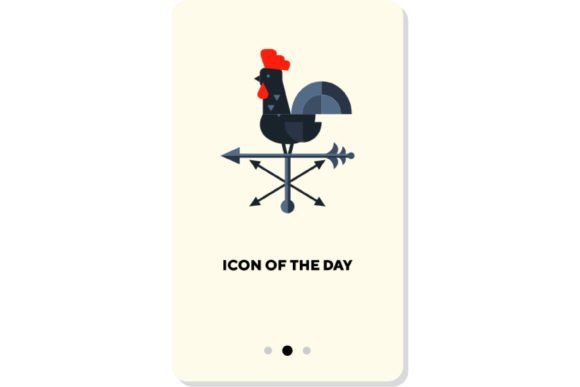
The image of a rooster perched atop a spire, turning with the wind, is one of the most enduring symbols in architectural history. For centuries, the weathercock has served as both a practical meteorological tool and a potent cultural emblem. In the realm of modern digital design, this traditional motif has undergone a significant transformation. The Rooster Wind Vane Flat Icon represents a bridge between historical heritage and contemporary user interface needs. As designers and developers seek to infuse digital spaces with meaning and visual interest, the isolated vector sign of a weathercock offers a versatile solution that resonates with themes of nature, direction, and vigilance.
This shift from physical ornamentation to digital asset reflects broader changes in how we communicate visually. Today’s users expect interfaces that are not only functional but also aesthetically cohesive and semantically rich. The integration of wildlife and nature concepts into web design and applications is no longer a niche preference but a mainstream expectation. By utilizing a weathercock isolated vector sign, creators can tap into a deep well of symbolic recognition while maintaining the clean, scalable aesthetics required by modern technology.
The Evolution from Architectural Feature to Digital Asset
Historically, wind vanes were essential instruments for farmers, sailors, and communities to predict weather patterns. The rooster, specifically, became a popular choice due to its association with dawn, awakening, and religious symbolism in many cultures. However, in the digital age, the functional necessity of a physical wind vane has been replaced by sophisticated meteorological apps and data streams. Despite this, the visual language of the weathercock remains powerful.
The transition to a Rooster Wind Vane Flat Icon illustrates how traditional symbols are repurposed for new mediums. Vector illustration symbol elements allow for infinite scalability without loss of quality, making them ideal for responsive web design and high-resolution mobile apps. Unlike raster images, which can pixelate when resized, vector signs maintain crisp edges and clear definitions across all devices. This technical advantage ensures that the intricate details of the rooster’s comb, tail feathers, and the directional arms of the vane remain distinct, whether viewed on a smartwatch or a large desktop monitor.
Furthermore, the "flat" design style aligns with current user interface trends that prioritize clarity and minimalism. By stripping away excessive shading, gradients, and three-dimensional effects, flat icons reduce cognitive load for users. They convey information quickly and efficiently. When a user sees a weathercock icon, they instantly associate it with wind, direction, or weather-related data, thanks to established cultural semiotics. This immediate recognition is invaluable in UX design, where speed and intuitive navigation are paramount.
Integrating Nature Concepts into Modern Workflows
The inclusion of wildlife and nature concepts in digital products is part of a larger movement toward biophilic design. This approach seeks to connect users with natural elements, reducing stress and enhancing well-being. A Rooster Wind Vane Flat Icon serves as a subtle yet effective nod to the natural world. It evokes imagery of rural landscapes, open skies, and the rhythmic changes of the seasons. For businesses operating in sectors such as agriculture, environmental conservation, tourism, or outdoor recreation, this iconography reinforces brand identity and values.
Consider the workflow of a modern marketer or content creator. When developing a campaign focused on sustainability or eco-friendly practices, visual assets must align with the message. Using a generic arrow to indicate wind direction might be functional, but it lacks emotional resonance. In contrast, a stylized weathercock introduces a narrative element. It suggests tradition, reliability, and a harmony with natural forces. This distinction can significantly impact user engagement and brand perception.
Moreover, the versatility of vector illustration symbol elements allows for easy customization. Designers can adjust colors to match brand palettes, simplify lines for smaller scales, or add contextual elements without compromising the integrity of the original shape. This flexibility supports agile development processes, where rapid iteration and adaptation are common. Whether used in a weather app, a travel blog, or an educational platform about rural history, the weathercock icon adapts seamlessly to various contexts.
Practical Applications for Web Design and Apps
The practical implications of using a Rooster Wind Vane Flat Icon extend beyond mere aesthetics. In user interface design, every element must serve a purpose. Here are several realistic scenarios where this specific icon adds value:
- Weather Applications: Beyond indicating wind direction, the icon can serve as a thematic header for sections related to historical weather data or rural forecasts. It differentiates the app from competitors using generic cloud or sun icons.
- Navigation and Directionality: In mapping software or travel guides, the weathercock can symbolize points of interest related to heritage sites, churches, or countryside landmarks. Its association with direction makes it an intuitive marker for orientation features.
- Educational Content: For platforms teaching history, meteorology, or art, the icon can act as a visual cue for modules related to traditional instruments or architectural features. It helps categorize content effectively.
- Brand Identity for Eco-Conscious Businesses: Companies focused on sustainable living, organic farming, or outdoor gear can use the weathercock in their logos or marketing materials to evoke a sense of authenticity and connection to the land.
When implementing these icons, it is crucial to consider accessibility. Ensure that the vector paths are clean and that sufficient contrast exists between the icon and its background. Additionally, provide appropriate alt text for screen readers, describing the icon not just as a "rooster" but in terms of its function, such as "wind direction indicator" or "weather vane symbol." This practice ensures that the design is inclusive and usable for all audiences.
Technical Considerations for Vector Implementation
For developers and designers, working with weathercock isolated vector signs requires attention to technical detail. Vector files, typically in SVG (Scalable Vector Graphics) format, offer numerous advantages. They are lightweight, reducing page load times, which is a critical factor for SEO and user retention. Search engines favor fast-loading sites, and optimized SVGs contribute to better performance metrics.
Furthermore, SVGs can be styled directly with CSS. This means that hover effects, color changes, and animations can be applied without needing multiple image files. For instance, a designer might program the weathercock icon to rotate slightly on hover, mimicking the movement of a real wind vane. Such micro-interactions enhance user experience by providing feedback and adding a layer of delight to the interface. However, it is essential to keep animations subtle and purposeful to avoid distracting from the primary content.
Another consideration is consistency. When using vector illustration symbol elements, ensure that the line weight, corner radius, and overall style match the rest of the icon set. A mismatched style can disrupt visual harmony and confuse users. If the Rooster Wind Vane Flat Icon is part of a larger library, verify that it shares the same design language as other icons, such as those for rain, temperature, or humidity.
Future Trends in Symbolic Design
As technology continues to evolve, the demand for meaningful, culturally resonant icons will likely grow. Users are becoming more discerning, seeking digital experiences that feel authentic and human-centric. The use of traditional symbols like the weathercock in modern formats reflects this desire for connection. It suggests a future where digital design does not merely mimic efficiency but also embraces storytelling and heritage.
Additionally, the rise of augmented reality (AR) and virtual reality (VR) presents new opportunities for these symbols. Imagine an AR app where users point their phones at a building, and a digital weathercock overlay provides historical context or real-time wind data. In such immersive environments, recognizable symbols act as anchors, helping users navigate complex information spaces. The wildlife and nature concept embedded in the weathercock icon can thus extend into three-dimensional spaces, offering new ways to interact with environmental data.
In conclusion, the Rooster Wind Vane Flat Icon is more than a decorative element. It is a versatile tool that bridges past and present, functionality and symbolism. For professionals, creators, and businesses, understanding how to leverage such icons can enhance user engagement, strengthen brand identity, and improve overall design quality. By embracing the rich heritage of the weathercock and adapting it through modern vector techniques, designers can create digital experiences that are both visually appealing and deeply meaningful.