Understanding Basketball Game Elements: The Power of Flat Vector Icons in Modern Design
In the dynamic world of digital design, clarity and speed are paramount. Whether you are building a sports analytics dashboard, designing a mobile app for local leagues, or creating educational materials for physical education classes, the visual language you choose matters immensely. This is where basketball game elements flat vector icons become indispensable tools for designers and developers alike. These graphic assets are not merely decorative; they are functional components that communicate complex information instantly.
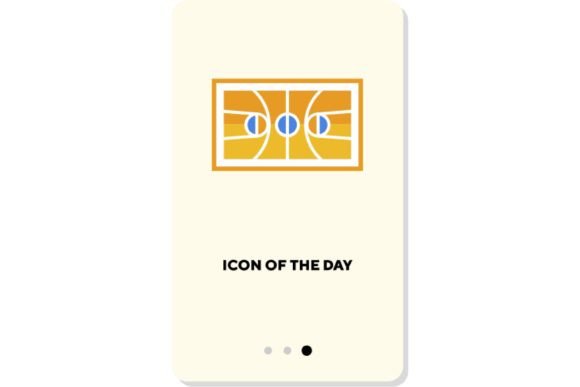
A gym field top view isolated outline sign might seem like a niche graphic, but it represents a broader concept in user interface (UI) and user experience (UX) design: the need for standardized, scalable, and universally understood symbols. By exploring the basketball concept through the lens of vector illustration, we can understand how these simple shapes drive engagement, improve navigation, and enhance the overall aesthetic of web and mobile platforms.
The Essence of Flat Vector Design in Sports Graphics
To appreciate the value of these icons, one must first understand the medium. Vector illustrations differ fundamentally from raster images (like JPEGs or PNGs). While raster images are made of pixels and lose quality when enlarged, vectors are based on mathematical paths. This means a basketball icon can be scaled from the size of a favicon to a billboard without any loss of resolution or sharpness.
The "flat" design style further enhances this utility. Flat design strips away unnecessary three-dimensional effects like shadows, gradients, and textures. The result is a clean, minimalist aesthetic that loads quickly and reads clearly on small screens. When applied to basketball game elements, this style ensures that the core identity of the sport—the hoop, the ball, the court lines—is recognized immediately, regardless of the device being used.
Key Components of Basketball Icon Sets
A comprehensive set of basketball vector icons typically includes a variety of elements that cover every aspect of the game. Understanding these components helps designers select the right assets for their specific projects:
- The Court Layout: Often depicted as a gym fields top view, this element shows the key, the three-point line, and the center circle. It is crucial for tactical analysis apps or booking systems.
- Equipment Symbols: These include the basketball itself, the hoop with the net, and sometimes the backboard. These are the most recognizable symbols of the sport.
- Action Indicators: Icons representing dribbling, shooting, passing, or defending. These are often stylized human figures or motion lines.
- Game Status Icons: Whistles, scoreboards, clocks, and trophies. These help users navigate the administrative side of sports management.
Each of these elements serves a distinct purpose. For instance, an isolated outline sign of a court allows a developer to overlay dynamic data, such as player heat maps, without the background clutter interfering with readability.
Practical Applications in Web and Mobile Development
The versatility of vector illustration symbol elements for web extends far beyond simple decoration. In modern web development, these icons are integral to creating intuitive user interfaces. Here is how they fit into various digital contexts:
- Sports Analytics Dashboards: Coaches and analysts use digital platforms to track player performance. Flat vector icons provide a clean backdrop for complex data visualizations. A top-down view of the court can serve as an interactive map where clicks reveal player statistics.
- Event Booking Platforms: Apps that allow users to reserve gym time rely on clear imagery. An isolated icon of a basketball court helps users quickly identify available facilities, distinguishing between full courts, half-courts, or training zones.
- E-Learning and Education: Physical education teachers increasingly use digital tools to teach game rules. Simple, clear icons help explain fouls, violations, and positions to students who may be new to the sport.
- Gaming and Esports Interfaces: Even in video games, UI elements often mimic real-world sports graphics. Flat icons are used for menus, inventory screens, and match summaries, ensuring a consistent visual theme.
The basketball concept is thus translated into a digital language that is both functional and aesthetically pleasing. By using standardized symbols, designers reduce the cognitive load on users, allowing them to focus on the content rather than deciphering the interface.
Why Choose Isolated Outline Signs?
You may wonder why designers specifically seek out isolated outline signs. The term "isolated" means the graphic is presented on a transparent background, free from any surrounding box or color field. This offers maximum flexibility. A designer can place the icon over a dark mode background, a photo of a stadium, or a solid brand color without needing to edit the image file itself.
The "outline" style, also known as line art, is particularly popular in modern UI design because it feels lightweight and unobtrusive. Unlike filled icons, which can appear heavy and dominant, outline icons guide the eye without overwhelming the content. This is essential in information-dense environments like sports schedules or statistical tables, where space is at a premium.
Common Misunderstandings About Vector Assets
Despite their popularity, there are some common misconceptions about using vector icons in web design:
Misconception 1: Vectors are always smaller in file size.
While generally true, complex vector paths with thousands of anchor points can result in large SVG files. It is important to optimize these files for web use, removing unnecessary metadata and simplifying paths where possible.
Misconception 2: Flat design lacks personality.
Some critics argue that flat design is too sterile. However, when combined with thoughtful color palettes and micro-interactions (such as animations when a user hovers over an icon), flat basketball elements can convey energy and excitement. The simplicity of the form allows the brand’s color identity to shine through.
Misconception 3: One size fits all.
Not all icon sets are created equal. Designers must ensure that the stroke width, corner radius, and overall style of the basketball icons match the rest of their interface. Mixing a thick-outlined basketball icon with thin, delicate text icons can create visual dissonance.
Integrating Basketball Icons into Your Workflow
For designers and developers looking to incorporate these elements, the process is straightforward but requires attention to detail. Most modern design tools, such as Figma, Sketch, or Adobe Illustrator, support SVG imports natively. This allows for easy customization of colors and sizes directly within the design environment.
When selecting a basketball game elements flat vector icon set, consider the following best practices:
- Consistency: Ensure all icons in the set share the same visual weight and style.
- Scalability: Test the icons at various sizes to ensure they remain legible, especially on mobile devices.
- Accessibility: Use appropriate contrast ratios and provide alternative text (alt tags) for screen readers. An icon of a basketball should be described as "Basketball" or "Sports Category," not just "image."
- Licensing: Always verify the license terms. Some vector assets are free for personal use but require a commercial license for business projects.
The Broader Impact on Digital Communication
Beyond the immediate utility, the use of standardized vector illustration symbol elements reflects a larger trend in digital communication: the move towards universal visual languages. In a globalized world, text-based interfaces can be barriers due to language differences. Icons, however, are largely universal. A basketball hoop is recognized as such in New York, Tokyo, and Berlin. This universality makes vector icons powerful tools for reaching diverse audiences.
Furthermore, the efficiency of flat vector design aligns with the growing emphasis on web performance. Faster-loading pages lead to better search engine rankings and lower bounce rates. By choosing lightweight SVG icons over heavy image files, businesses can improve their site’s technical SEO while enhancing the user experience.
Conclusion
The basketball game elements flat vector icon is more than just a graphic asset; it is a bridge between the physical excitement of the sport and the digital efficiency of modern web design. From the gym fields top view isolated outline sign to the simple silhouette of a ball, these elements play a crucial role in how we interact with sports content online.
By understanding the principles of vector design, the importance of isolation and outline styles, and the practical applications in various industries, designers and developers can create more engaging, accessible, and efficient digital experiences. Whether you are building the next great sports app or simply organizing a local tournament website, leveraging these high-quality vector resources will elevate your project, ensuring that the spirit of the game is communicated clearly and effectively to every user.