Understanding the Action with Hands Flat Icon: A Guide to Modern UI Design
In the rapidly evolving landscape of digital interfaces, visual communication has become paramount. Users no longer rely solely on text to navigate apps and websites; instead, they depend on intuitive symbols that convey meaning instantly. Among these essential visual elements is the Action with Hands Flat Icon. This specific graphic representation, often depicted as a hand holding an object or performing a gesture in a flat design style, serves as a cornerstone for user experience (UX) design. Whether you are a seasoned developer, a graphic designer, or a business owner looking to improve your digital presence, understanding the nuances of this icon can significantly enhance how users interact with your platform.
The Essence of Flat Design and Iconography
To fully appreciate the Action with Hands Flat Icon, one must first understand the design philosophy behind it: flat design. Emerging as a reaction to the skeuomorphic trends of the early 2000s, flat design strips away three-dimensional effects like shadows, gradients, and textures. The result is a clean, minimalist aesthetic that prioritizes usability and speed. In this context, icons are not just decorative elements; they are functional tools.
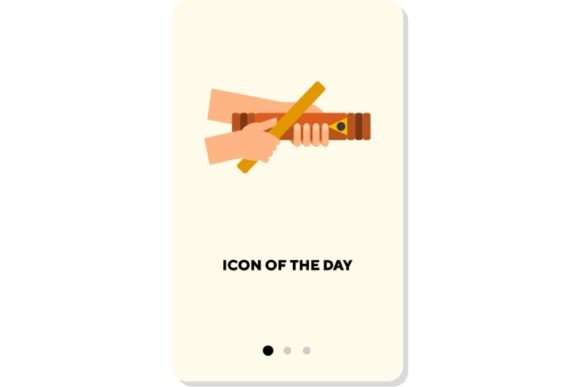
The holding, nail isolated vector sign mentioned in various design libraries is a prime example of this specificity. While "nail" might refer to a specific object being held in certain niche contexts, the broader category of "action with hands" encompasses a wide range of interactions. These include grabbing, pushing, pulling, or simply holding an item. By using a vector illustration, designers ensure that these symbols remain crisp and clear regardless of the screen size, from a small smartphone display to a large desktop monitor.
Why Vector Illustrations Matter
Vector graphics are mathematical representations of images, unlike raster images (such as JPEGs or PNGs) which are made of pixels. This distinction is crucial for web design and apps. When you use a vector symbol for an action icon, you guarantee scalability without loss of quality. This technical advantage supports the core goal of modern web design: accessibility and responsiveness. A blurry icon can confuse users, but a sharp, scalable vector ensures that the intent of the action is always clear.
The Symbolism of Hand Gestures in Digital Interfaces
Hands are universal communicators. Long before written language, humans used hand gestures to convey intent, danger, cooperation, or instruction. In the digital realm, the Action with Hands Flat Icon taps into this deep-seated biological recognition. When a user sees an icon of a hand holding an object, their brain immediately processes concepts related to control, possession, or manipulation.
Consider the concept of motion and acting. In animation and interactive design, static icons often need to suggest movement. A flat icon of a hand gripping a slider bar implies that the user can drag it. A hand holding a shopping bag suggests a completed purchase or a cart review. These subtle cues reduce the cognitive load on the user. Instead of reading a label that says "Drag to Adjust," the icon itself communicates the action.
- Clarity: Reduces ambiguity in user instructions.
- Universality: Transcends language barriers, making apps globally accessible.
- Aesthetics: Maintains a clean, modern look consistent with current design trends.
Practical Applications in Web and App Design
The versatility of the Action with Hands Flat Icon makes it relevant across various industries. From e-commerce platforms to educational tools, these icons play a pivotal role in guiding user behavior.
E-Commerce and Retail
In online shopping, trust and ease of use are critical. An icon depicting a hand holding a package can signify "secure delivery" or "handle with care." Similarly, a hand holding a credit card might represent secure payment options. These visual shortcuts help users navigate complex checkout processes with confidence. The holding, nail isolated vector sign could be adapted here to represent specific product categories, such as beauty supplies or hardware tools, depending on the context of the "nail" (whether fingernail care or construction).
Education and Training
Educational apps often require users to perform specific actions, such as dragging items into correct categories or assembling virtual components. Here, the motion and acting concept comes into play. Icons showing hands in action can guide students through interactive lessons. For instance, a science app might use a hand holding a test tube to indicate a laboratory simulation. This visual guidance is particularly effective for younger audiences or non-native speakers who benefit from visual learning aids.
Productivity and Business Tools
In project management software, icons representing hands can symbolize collaboration, handing off tasks, or receiving approvals. A flat icon of two hands shaking might represent a partnership, while a single hand holding a document could indicate file upload or download functions. These symbols streamline workflows by making abstract digital actions feel tangible and physical.
Common Misunderstandings and Best Practices
Despite their simplicity, hand icons can be misinterpreted if not designed carefully. One common assumption is that all hand gestures are universally understood. However, cultural differences can alter the meaning of certain gestures. For example, a thumbs-up is positive in many Western cultures but offensive in others. Therefore, when using Action with Hands Flat Icons, it is essential to choose neutral, widely recognized gestures.
Another misconception is that flat design means "simple to create." On the contrary, designing an effective flat icon requires a deep understanding of form and negative space. The vector illustration symbol elements must be balanced so that the hand does not look distorted or ambiguous. Over-simplification can lead to confusion, where a hand holding an object looks like a blob rather than a distinct action.
- Test for Clarity: Always test icons with real users to ensure the intended action is understood.
- Maintain Consistency: Use the same style and line weight for all icons in your interface.
- Provide Context: If an icon is ambiguous, pair it with a short text label.
- Consider Accessibility: Ensure sufficient contrast between the icon and the background for users with visual impairments.
Integrating Hand Icons into Your Design Workflow
For designers and developers, integrating these icons into a project should be a strategic process. Start by identifying the key actions users will take within your app or website. Map these actions to appropriate hand gestures. For example, if the primary action is "saving," a hand placing an item into a folder might be more intuitive than a floppy disk symbol, which is becoming outdated.
When sourcing these assets, look for high-quality vector illustration symbol elements for web design and apps. Reputable design libraries offer customizable vectors that allow you to adjust colors and sizes to match your brand identity. Avoid using low-resolution raster images, as they can pixelate and degrade the professional appearance of your interface.
Furthermore, consider the motion and acting concept in micro-interactions. When a user clicks a button with a hand icon, a subtle animation—such as the hand closing slightly or the object moving—can provide satisfying feedback. This dynamic element enhances the user experience by making the interface feel alive and responsive.
Conclusion
The Action with Hands Flat Icon is more than just a graphical element; it is a vital component of modern digital communication. By leveraging the universality of hand gestures and the scalability of vector graphics, designers can create interfaces that are both beautiful and functional. Whether you are designing an e-commerce site, an educational app, or a business tool, understanding how to effectively use these icons can lead to better user engagement and satisfaction.
As technology continues to advance, the demand for clear, intuitive visual language will only grow. By mastering the use of holding, nail isolated vector signs and other hand-based icons, you equip yourself with the tools to build more accessible and user-friendly digital experiences. Remember, the goal is not just to decorate, but to communicate. Let every icon serve a purpose, guiding your users seamlessly through their digital journey.