Visualizing Digital Trust: The Strategic Role of Credit Card Fraud Icons in Modern Web Design
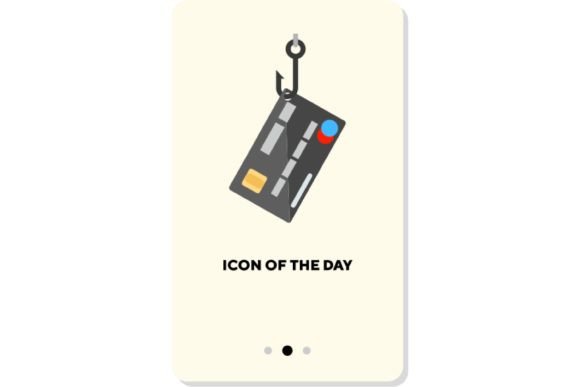
In the rapidly evolving landscape of digital commerce, trust is not merely a sentiment; it is a tangible asset that must be visually communicated. As online transactions become the backbone of the global economy, the interface between consumer and merchant has grown increasingly complex. Within this ecosystem, visual symbols serve as critical signposts, guiding user behavior and reinforcing security protocols. One such symbol that has gained significant prominence in UI/UX libraries is the Credit Card Using Flat Icon. Fraud Isola. This specific vector illustration, often described as a fraud isolated sign, encapsulates the banking, phishing, and buying concepts into a single, digestible graphic element. Understanding the utility and semantic weight of this icon is essential for professionals, creators, and entrepreneurs who are tasked with building secure, intuitive, and trustworthy digital experiences.
The Semantics of Security in User Interface Design
The term Credit Card Using Flat Icon. Fraud Isola refers to a specialized graphic asset designed for web and mobile applications. It typically features a stylized credit card, rendered in a flat design aesthetic, accompanied by visual cues indicating danger, prohibition, or alertness—such as an exclamation mark, a shield with a crack, or a warning triangle. The "isolated" aspect of the description indicates that the element is presented on a transparent or neutral background, allowing designers to seamlessly integrate it into various layouts without conflicting with existing color schemes or textures.
Why does this specific icon matter? In the context of modern web design, clarity is paramount. Users process visual information significantly faster than text. When a user encounters a transaction error, a suspicious login attempt, or a educational module about cybersecurity, the immediate recognition of a fraud-related symbol can reduce cognitive load. It bridges the gap between technical backend security measures and frontend user experience. For marketers and product designers, utilizing a standardized vector illustration symbol ensures consistency across platforms, reinforcing brand reliability while clearly communicating risk.
Aligning with Broader Industry Trends
The adoption of icons like the Credit Card Using Flat Icon. Fraud Isola is not an isolated design choice but part of a broader shift in how financial technology (FinTech) and e-commerce platforms approach user education and security transparency. Several key trends drive this relevance:
- The Rise of Visual Literacy: Modern consumers are increasingly visually literate. They expect interfaces to speak their language through intuitive symbols rather than dense paragraphs of legal or technical jargon. A flat icon representing fraud serves as a universal language, transcending linguistic barriers in global marketplaces.
- Mobile-First Security: With the majority of transactions occurring on mobile devices, screen real estate is at a premium. Complex warnings do not fit well on small screens. A compact, high-contrast icon allows developers to convey critical security information without cluttering the interface, aligning with the minimalist design principles that dominate current app development.
- Proactive Fraud Prevention: Banks and payment processors are moving from reactive fraud management to proactive prevention. This involves educating users on what phishing looks like or how to spot suspicious activity. The banking, phishing, buying concept embedded in these icons makes them ideal tools for interactive tutorials, help centers, and real-time alert systems.
Changing Consumer Expectations and Workflow Integration
As cyber threats become more sophisticated, consumer anxiety regarding online safety has risen. This shift in consumer psychology has forced businesses to rethink their digital workflows. It is no longer sufficient to simply process a payment; businesses must actively demonstrate that they are safeguarding user data. This is where the strategic placement of security icons becomes crucial.
For freelancers and agencies building e-commerce sites, integrating elements like the Credit Card Using Flat Icon. Fraud Isola into the checkout flow or account settings page can serve as a subtle reassurance. It signals that the platform is vigilant. Furthermore, for content creators and educators in the financial sector, these vector elements are invaluable for creating engaging infographics and video content that explain complex security concepts to a lay audience.
Consider the workflow of a typical online buyer. Upon entering payment details, they look for signs of legitimacy. While SSL certificates and padlock icons are standard, additional visual cues related to fraud detection can enhance perceived security. If a user receives an alert about unusual activity, seeing a recognizable, professional-grade icon associated with fraud prevention helps contextualize the message. It transforms a potentially alarming notification into a manageable, actionable step. This alignment with user expectations reduces cart abandonment rates and fosters long-term customer loyalty.
Practical Applications in Web and App Development
The versatility of the vector illustration symbol allows for diverse applications across digital products. Here are several practical scenarios where this icon adds value:
- Error States and Alerts: When a transaction is declined due to suspected fraud, displaying this icon alongside the error message provides immediate visual context. It helps users understand that the decline is a protective measure, not necessarily a technical glitch.
- Educational Onboarding: FinTech apps often include onboarding sequences that teach users how to protect their accounts. Using flat icons to represent different types of threats—such as phishing emails or skimming devices—makes the learning process engaging and memorable.
- Dashboard Analytics: For business owners and administrators, dashboards that track suspicious activities can use these icons to flag high-risk transactions. This allows for quick visual scanning of data, enabling faster decision-making and response times.
- Marketing Materials: Security-focused marketing campaigns can leverage these graphics to highlight a company’s commitment to safety. Whether in email newsletters or social media posts, the visual representation of fraud protection reinforces the brand’s promise of security.
The Technical Advantage of Vector Assets
From a technical standpoint, the preference for vector illustrations over raster images cannot be overstated. The Credit Card Using Flat Icon. Fraud Isola is typically available in formats such as SVG (Scalable Vector Graphics). This ensures that the icon remains crisp and clear at any size, from a tiny favicon to a large banner image. For developers, this means reduced file sizes and faster loading times, which are critical factors for SEO and user retention.
Moreover, vector icons are easily customizable. Designers can adjust colors to match brand guidelines or change stroke weights to improve visibility against different backgrounds. This flexibility supports the creation of cohesive design systems, where every element, including security warnings, feels like an integral part of the user experience rather than an afterthought.
Conclusion: Building Trust Through Visual Clarity
In conclusion, the Credit Card Using Flat Icon. Fraud Isola is more than just a decorative element; it is a functional tool in the arsenal of modern web design. As digital interactions continue to dominate commerce, the need for clear, immediate, and trustworthy communication has never been greater. By integrating such specialized icons into their workflows, professionals can enhance user understanding, reduce friction in security processes, and ultimately build stronger relationships with their audiences.
For entrepreneurs, marketers, and designers, paying attention to these details is a mark of professionalism. It demonstrates an understanding that security is not just a backend requirement but a frontend experience. As we look toward the future of digital interaction, the role of visual semantics in conveying trust and safety will only expand. Embracing high-quality, contextually relevant assets like the fraud isolated sign is a step toward creating more resilient, user-centric digital ecosystems. By prioritizing clarity and consistency, we empower users to navigate the digital world with confidence, knowing that their financial integrity is protected by designs that are both beautiful and functional.